Stability and Control Over Uneven Surfaces
Suspension Repair in Peabody for rough rides, handling changes, and vehicle movement on Massachusetts roads
Seasonal wear, winter damage, and daily driving over uneven pavement all affect suspension components that control how your vehicle handles bumps, maintains tire contact with the road, and responds to steering input. When you notice a rougher ride than normal, hear clunking sounds over bumps, or feel the vehicle wander or pull during normal driving, your suspension system likely has worn or damaged parts that need attention. Right Repair Automotive Service inspects suspension components to identify which parts are causing the problems you're experiencing and recommends repairs based on actual condition rather than assumptions.
Suspension systems use shock absorbers, struts, control arms, bushings, and springs that work together to absorb road impacts and keep tires properly positioned. When shocks wear out, the vehicle bounces excessively after hitting bumps. When control arm bushings deteriorate, you hear clunking and feel looseness in the steering. Massachusetts roads affected by freeze-thaw cycles and winter road treatments accelerate wear on these components compared to vehicles driven in milder climates.
Schedule a suspension inspection to identify which components require replacement and restore proper handling.
What You Notice Once Suspension Work Is Finished
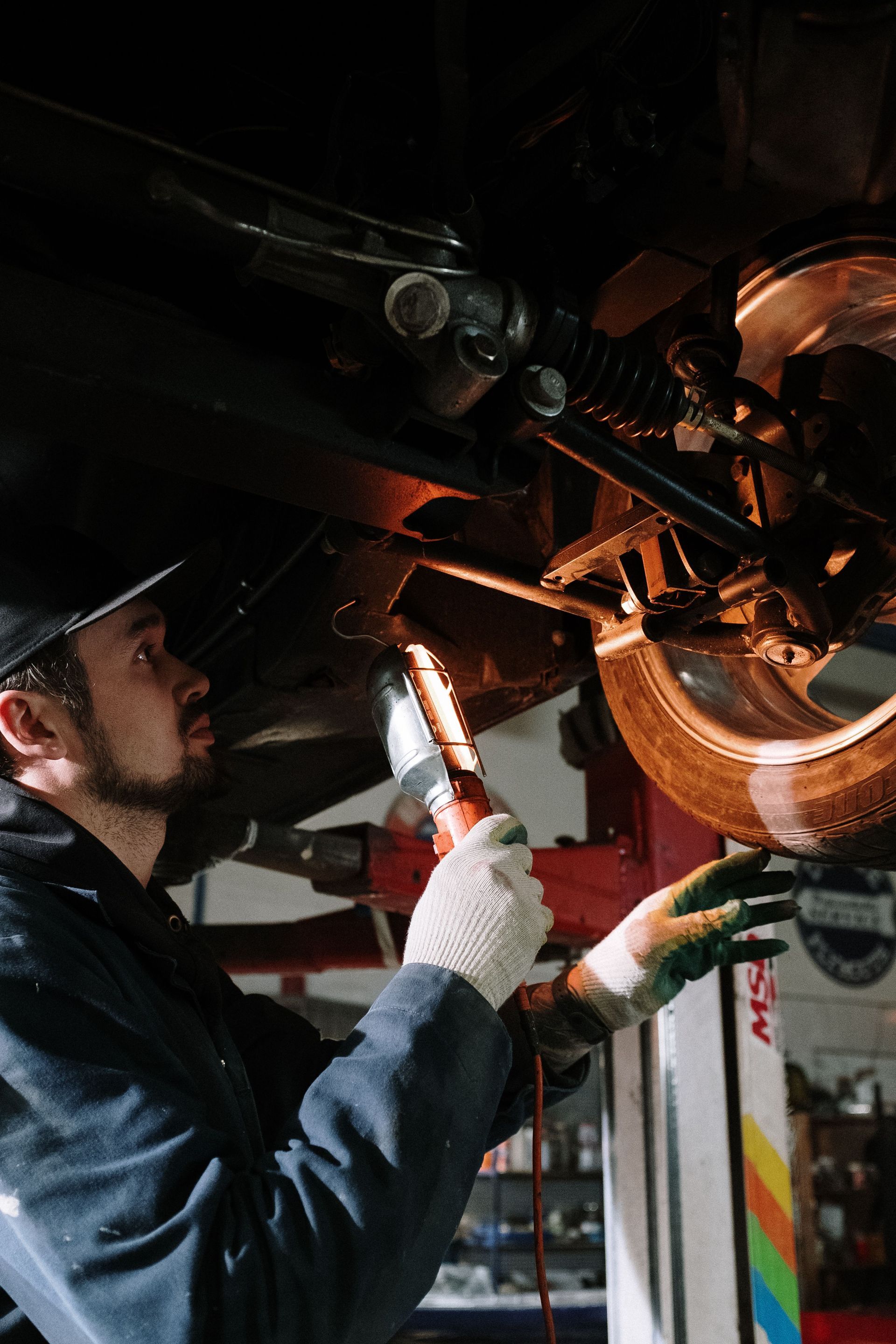
Worn suspension components allow excessive movement between parts that should remain tightly controlled, which creates noise, reduces stability, and causes uneven tire wear. Replacing failed shocks or struts restores damping that prevents the vehicle from bouncing after impacts. Replacing worn bushings eliminates the play that causes clunking sounds and steering wander. New components return the suspension to its designed geometry, which improves how the vehicle tracks straight and responds predictably to steering corrections.
After repairs, the ride smooths out over rough pavement, the vehicle no longer bounces or sways excessively during lane changes, and you don't hear clunking or rattling from underneath when driving over uneven surfaces. Steering feels more precise because worn parts no longer allow unwanted movement, and tires wear more evenly because the suspension maintains proper alignment angles. You regain the control and comfort the vehicle delivered when suspension components were new.
Suspension repair addresses specific failed components identified during inspection rather than replacing entire assemblies when only individual parts have worn. The work may require alignment afterward if components affecting wheel position are replaced, though not all suspension repairs change alignment settings.
Common Questions About This Service
Drivers noticing suspension problems want to understand what causes components to fail, how to recognize serious issues, and what repair work actually involves for their vehicle.
What causes suspension parts to wear out?
Repeated impacts from road irregularities, exposure to road salt and moisture, and the stress of supporting vehicle weight all contribute to wear. Rubber bushings deteriorate over time, shock absorber seals eventually leak, and metal components can bend or crack from severe impacts with potholes common around Peabody.
How do I know if my suspension needs repair?
You'll notice a rougher ride, hear clunking or rattling over bumps, see the vehicle sitting lower on one side, or feel handling changes such as excessive body roll during turns or difficulty maintaining a straight path on level roads.
Can I drive with worn suspension components?
Driving with failed suspension reduces your ability to control the vehicle, especially during emergency maneuvers or on wet roads. Worn components also accelerate tire wear and may cause additional damage to parts that have to compensate for the failed component.
What gets replaced during suspension repair?
Only the components that inspection identifies as worn or damaged are replaced. This might include shocks, struts, control arms, bushings, ball joints, or springs depending on which parts are causing the symptoms you're experiencing.
Will I need an alignment after suspension work?
Alignment is required when repairs involve components that affect wheel position, such as control arms or struts. It's not necessary for repairs that don't change suspension geometry, such as replacing shocks on some vehicles.
Right Repair Automotive Service is licensed and insured, and delivers honest work for honest pay based on over 35 years of experience. Book an inspection to determine what your suspension system requires for safe and comfortable driving.