
Starts That Don't Require a Second Try
Battery Replacement in Peabody for slow cranking, repeated jump-starts, and starting problems that interrupt daily schedules
A battery that no longer holds adequate charge shows up as slow cranking on cold mornings, a starter that clicks without turning the engine, or electronics that dim when you turn the key. Right Repair Automotive Service provides battery replacement in Peabody when testing confirms the battery can no longer deliver the cold cranking amps required to start the engine reliably. Battery failure accelerates during Massachusetts winters, when freezing temperatures reduce available capacity and increase the load required to crank cold oil and turn over an engine that's been sitting overnight in single-digit weather.
Battery diagnosis involves load testing the existing battery under cranking conditions to measure voltage drop and capacity retention, then checking the alternator's output to confirm it's recharging correctly and not overworking a weak battery. If the battery fails the load test or shows internal cell damage, replacement restores the reserve capacity needed for dependable starting year-round. Installation includes cleaning corroded terminals and cable ends that reduce current flow and matching the replacement battery to the vehicle's electrical demands and engine size.
Have your starting or battery concerns checked to confirm whether the battery has reached the end of its service life.
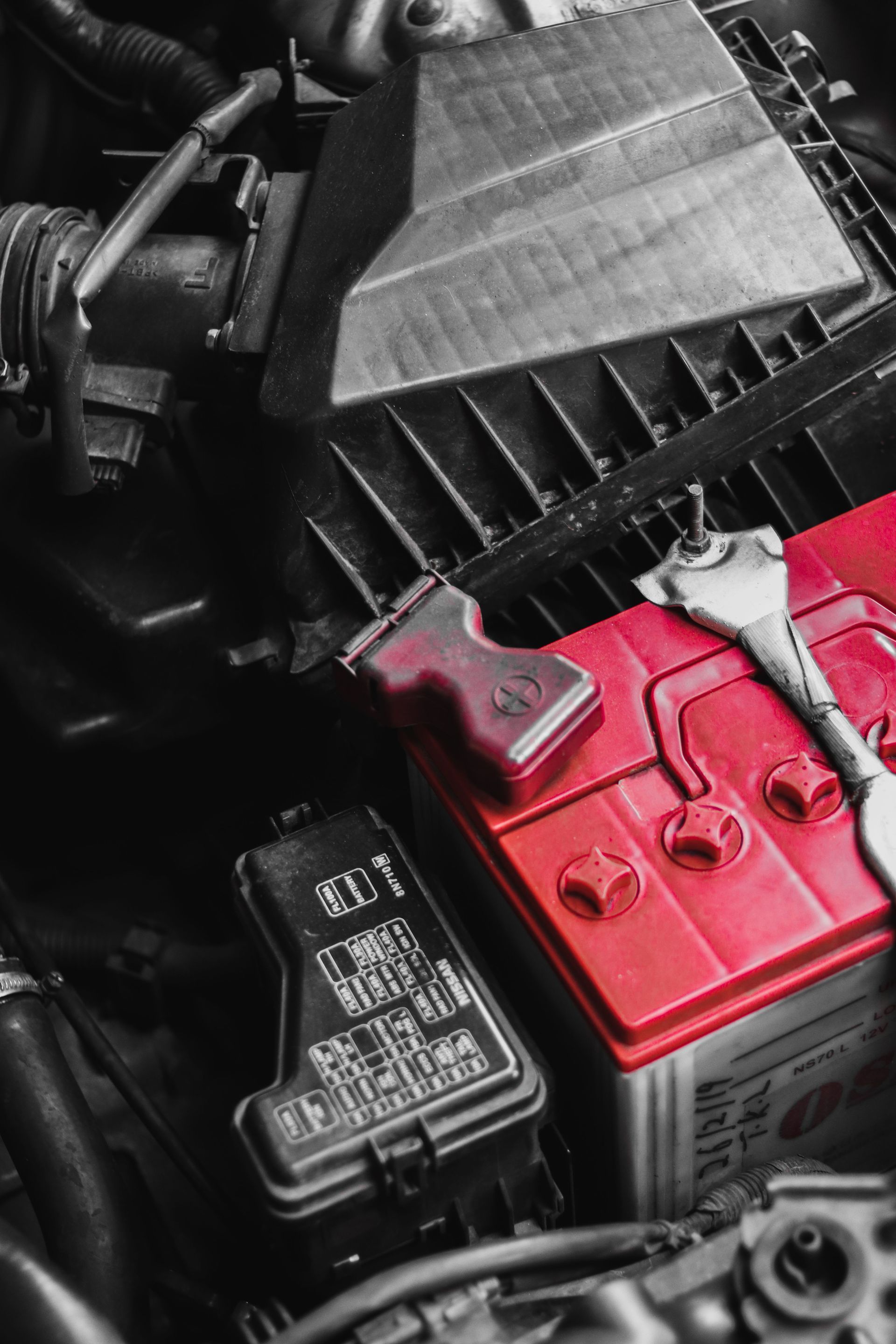
What You Notice Once the Battery Is Replaced
Battery replacement focuses on confirming the battery is actually the problem before installing a new one, because slow cranking can also result from a failing starter, corroded cables, or an alternator that isn't maintaining charge. Testing isolates whether the battery has lost capacity or whether another component is draining power or preventing recharge. A battery that passes load testing but drains overnight points to a parasitic draw that needs to be traced before replacement solves anything. The replacement process includes torquing terminal connections to manufacturer specifications and applying corrosion inhibitor to prevent the white sulfate buildup that develops at battery posts in road salt environments.
Once the battery is replaced, cranking speed returns to normal even on cold mornings, the starter engages immediately without hesitation, and accessories like headlights and radio no longer dim when the engine starts. You'll notice the engine turns over quickly without that labored sound that indicates insufficient voltage, and the vehicle starts reliably without needing a jump or multiple attempts. These changes confirm the battery is delivering full cranking amperage and maintaining charge between starts.
Battery replacement doesn't always mean the old battery failed on its own—alternators that overcharge or undercharge shorten battery life significantly, and short trips that don't allow full recharge cycles can leave a battery in a partially discharged state that accelerates sulfation. The testing process identifies these contributing factors so they're addressed alongside the battery itself, preventing premature failure of the replacement.
Answers to Frequent Service Questions
Battery and starting questions arise frequently, especially as temperatures drop and aging batteries struggle to meet cranking demands around Peabody.
What causes a battery to fail even when the alternator is working?
Batteries fail due to internal sulfation that builds up on the lead plates over time, reducing capacity until the battery can no longer hold a charge even when the alternator is recharging correctly.
How do you confirm the battery is the problem and not the starter?
Testing involves measuring voltage at the battery under load and checking voltage drop across the starter circuit—if the battery voltage collapses under load but recovers immediately, the battery lacks capacity, whereas a failing starter draws excessive current or produces mechanical grinding.
Why do batteries fail more often in winter than summer?
Cold temperatures reduce the chemical reaction rate inside the battery, cutting available cranking amps in half when temperatures drop below freezing, while simultaneously increasing the load required to turn over cold engine oil and spin a chilled starter motor.
What should voltage read at the battery when the engine is running?
A healthy charging system maintains 13.8 to 14.4 volts at the battery with the engine running and accessories on—readings below 13.5 indicate undercharging that won't fully recharge the battery, while readings above 14.8 suggest overcharging that boils off electrolyte and damages internal plates.
When should a battery be replaced even if it still starts the engine?
A battery should be replaced when load testing shows capacity has dropped below 50 percent of its rated cranking amps, because it's approaching failure and will leave you stranded without warning during the next cold snap or after a short trip that doesn't allow full recharge.
Right Repair Automotive Service tests batteries and charging systems to confirm the cause of starting problems before recommending replacement, and every battery service includes a free estimate. Request a starting system evaluation to restore reliable operation before the battery fails completely.